Is support triage internal or customer-facing?
Mostly internal. It is the layer that decides how the ticket should be handled before a human or automated reply takes over.
Definition · support ops
Support triage is the process that decides what a ticket is, how urgent it is, who should touch it, and whether a draft response is safe before anyone starts typing. It is the control layer of support, not just the inbox itself.
The short answer
Good triage protects humans from low-value repetition and from high-risk ambiguity at the same time. That is why it is one of the best AI automation candidates in service teams.
Buyer fit
Breakdown
Classify the message, detect urgency, surface relevant context, and route the issue to the right queue with the right response posture.
AI is useful for first-pass classification, draft generation, sentiment hints, and FAQ handling. Humans still own edge cases, exceptions, and anything sensitive.
Support triage fails when categories are fuzzy, the knowledge base is weak, or escalation logic is absent. The model is rarely the first problem.
Faster first response, cleaner routing, fewer repetitive touches, and a clear human-review path where mistakes would be expensive.
What breaks first
What the workflow should do
Representative proof
The support-automation service treats triage as the control layer of support: category, urgency, sentiment, first-response drafting, and routing. This page explains the term without the pricing or build frame.
Open support automationFAQ
Mostly internal. It is the layer that decides how the ticket should be handled before a human or automated reply takes over.
No. Many teams get most of the value from classification, routing, and drafting while keeping the final send decision with the agent.
Category clarity, escalation rules, and basic knowledge quality usually matter more than model choice at the start.
Keep reading
Free PDF
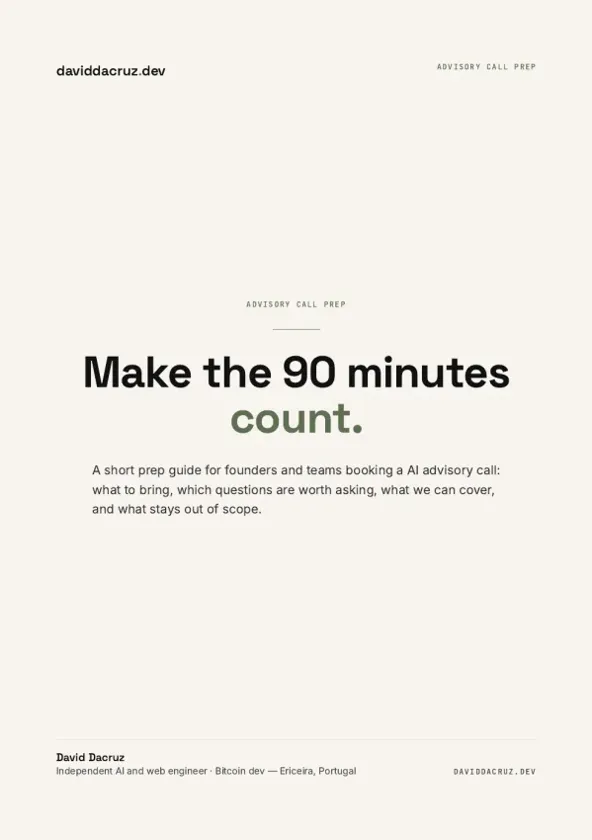
AI Advisory Call Prep Guide
Make the 90 minutes count.
6 pages · PDF Inside:
Quick breakdown of the workflows, stack choices, and where the hours come back first.