Skip to content

Support automation · model choice

OpenAI vs Claude for support automation

This is rarely a brand-loyalty question. It is a workflow question. Support automation lives or dies on consistency, routing quality, latency, and how easy it is to add guardrails around the model.

The short answer

What matters most.

Use the model that behaves best on your actual inbox. In many teams that means testing both on the same support set before committing. Reliability on your data matters more than general internet opinion.

Breakdown

Response quality

Claude often reads more naturally on nuanced customer replies. OpenAI often integrates more cleanly into broader tool chains. The right answer depends on whether tone or orchestration is the tighter constraint.

Operational fit

If the workflow needs more tool-calling and ecosystem support, OpenAI often has the edge. If the hardest part is long-form reading and careful drafting, Claude is often attractive.

Cost control

The model bill is only one layer. Retry behavior, context size, and prompt bloat usually matter more than list pricing once a workflow is live.

What to test

Use a fixed support set: FAQs, angry customers, ambiguous billing questions, missing context, multilingual turns, and escalation-worthy edge cases. Pick the model that fails more cleanly, not just the one that shines on the easy tickets.

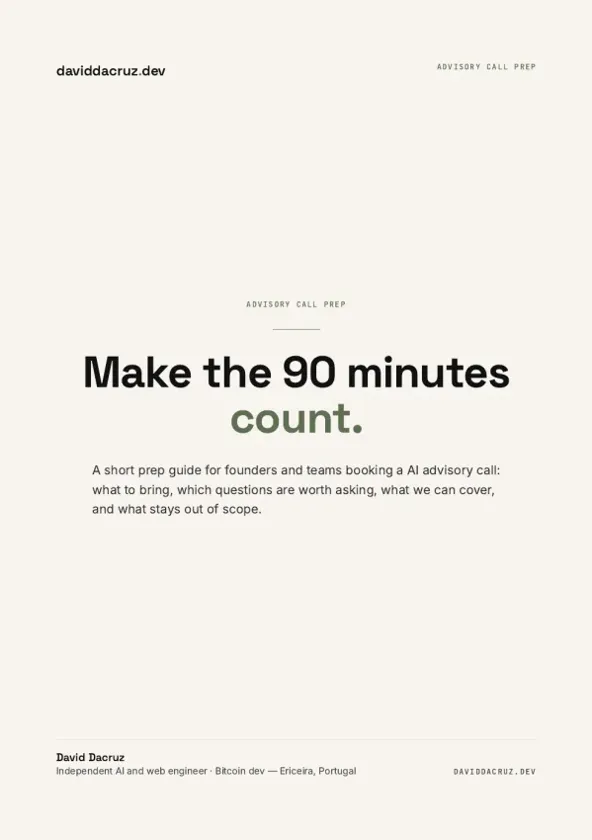
AI Advisory Call Prep Guide — PDF cover

Free PDF

AI Advisory Call Prep Guide

Make the 90 minutes count.

6 pages · PDF Inside:

  • A concise prep guide for founders
  • teams booking an AI advisory call: what to bring
  • which questions are worth asking
  • what we can cover
  • and what stays out of scope

Quick breakdown of the workflows, stack choices, and where the hours come back first.

Next step

Replies in ~24h

Need a second opinion on the tradeoff?

If the comparison is still close, the advisory call is where I help pressure-test the decision against your team, constraints, and rollout risk.